
Guide
Why Does My Coffee Taste Sour or Bitter? A Beginner's Guide to Fixing Extraction
Sour coffee usually means under-extraction and bitter means over-extraction. Learn simple fixes for grind, temperature, time, and ratio to brew a better cup.
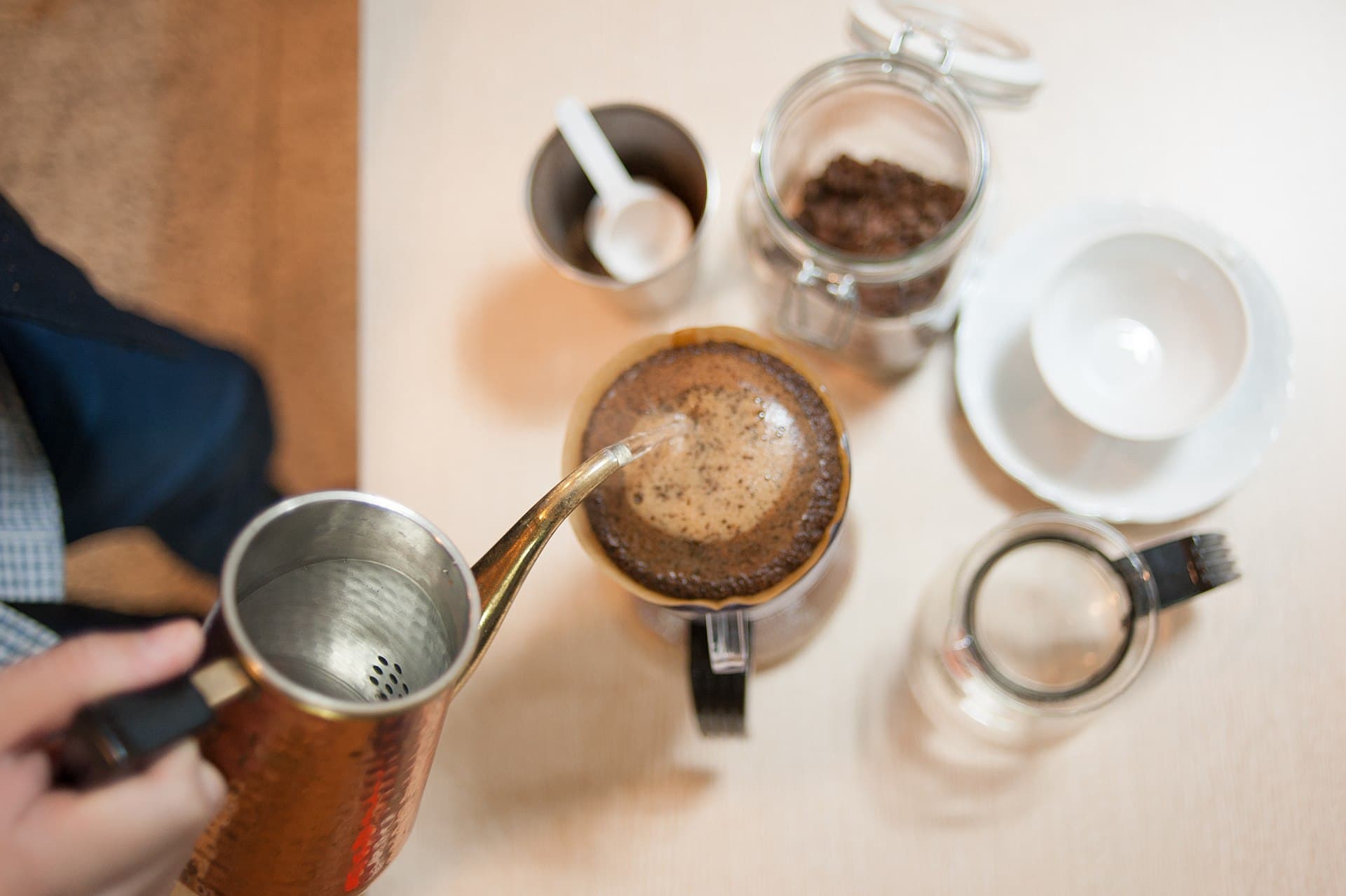
If your coffee keeps coming out sour or bitter, the beans are not always the problem. Very often the cause is an extraction mismatch, which is easy to fix once you know what to adjust. This guide explains why coffee tastes sour or bitter and gives you simple, practical changes to try in your next brew.
Quick Answer: Sour vs Bitter Coffee
- Sour coffee usually means under-extraction. You did not pull enough flavor out of the grounds, so the result tastes sharp, sour, or thin.
- Bitter coffee usually means over-extraction. You pulled out too much, so the result tastes harsh, dry, or hollow.
The fastest way to improve is to change one thing at a time and taste the difference. Most fixes come down to grind size, water temperature, brew time, ratio, and how much you stir or agitate the coffee.
One quick note before we start: not all acidity is bad. Pleasant acidity tastes bright, fruity, or lively and is a sign of good coffee. The problem is the unpleasant kind of sourness, which tastes sharp and aggressive, almost like biting into an underripe lemon.
What Extraction Means
Extraction is the process of dissolving soluble flavors from coffee grounds into water. When hot water meets ground coffee, it pulls out acids, caffeine, aromatic compounds, oils, and other soluble material.
A useful beginner model is:
- Early extraction often tastes sharp or sour.
- More complete extraction tends to taste more balanced and sweet.
- Pushing extraction too far can turn bitter, dry, or harsh.
In reality, extraction is more complex than a strict timeline, so treat this as a rough guide rather than a fixed sequence.
Balanced extraction is the point where the coffee tastes sweet, clear, and complete, without sharp sourness or harsh bitterness taking over.
Two honest caveats:
- Extraction is not perfectly predictable. The best fix depends on the specific coffee, your brew method, the roast level, your grinder, and your recipe.
- The numbers in this guide are starting points, not strict rules. Use them as a place to begin, then adjust to taste.
What Under-Extracted Coffee Tastes Like
Under-extracted coffee stopped too early, so it leans on those first sour notes without the sweetness that balances them.
Common signs:
- Sour or sharp
- Aggressively acidic
- Salty
- Thin or watery
- Grassy or vegetal
- Fades quickly with little aftertaste
If your coffee makes you wince or pucker, under-extraction is the likely culprit.
What Over-Extracted Coffee Tastes Like
Over-extracted coffee has gone too far, often pulling out more bitter, dry, or harsh flavors.
Common signs:
- Bitter or harsh
- Dry or astringent (that puckering, cotton-mouth feeling)
- Hollow or empty in the middle
- Ashy or burnt
- Lingering unpleasant aftertaste
If your coffee tastes scorched or leaves your mouth dry, over-extraction is the likely culprit.
How to Fix Sour Coffee
Sour coffee usually needs more even or more complete extraction. The goal is to pull more flavor out of the grounds, more evenly. Try these in order, changing one at a time.
Try this first:
- Grind finer. Finer grounds have more surface area and extract faster. This is often the single biggest lever.
Try this next:
- Use hotter water. Hotter water extracts faster. Move toward the higher end of your roast's range.
- Extend brew time. A slightly longer brew gives water more time to dissolve flavor.
- Add a little agitation. A gentle stir or swirl during brewing increases contact and extraction.
- Check your ratio. If your coffee is also weak and thin, you may be using too little coffee for the water.
Make one change, brew again, and taste. If it improves but is still a touch sour, nudge the same variable a little further.
How to Fix Bitter Coffee
Bitter, dry, or harsh coffee often needs less extraction, less agitation, or a coarser grind. The goal is to stop pulling out those harsh late flavors. Try these in order, changing one at a time.
Try this first:
- Grind coarser. Coarser grounds extract slower and reduce bitterness. This is usually the first move.
Try this next:
- Use cooler water. Cooler water slows extraction. Move toward the lower end of your roast's range.
- Shorten brew time. Stop the brew sooner so less of the harsh compounds release.
- Reduce agitation. Stir less and pour more gently.
- Check your ratio. If the coffee is bitter and very strong, you may be using too much coffee for the water.
Again, one change at a time. Bitterness usually improves quickly once you find the right adjustment.
How Ratio, Grind, Time, Temperature, and Agitation Interact
These five variables all push extraction up or down. Understanding how they connect helps you troubleshoot without guessing.
Grind size
- Finer grind: extracts faster, raises extraction.
- Coarser grind: extracts slower, lowers extraction.
Water temperature
Hotter water extracts faster. A common hot-brewing range is roughly 195 to 205°F / 90 to 96°C. As a starting point, many brewers use hotter water for lighter roasts and slightly cooler water for darker roasts, then adjust by taste:
- Light roasts: around 205°F / 96°C
- Medium roasts: around 200 to 205°F / 93 to 96°C
- Dark roasts: around 195 to 200°F / 90 to 93°C
If you want to understand how roast level changes flavor and the right temperature, see Beanie's roast levels guide.
Brew time
Longer brew time usually increases extraction. Shorter time decreases it. Grind size and time work together: a finer grind brewed too long can tip from balanced into bitter.
Agitation
Stirring, swirling, or a fast pour increases contact between water and grounds, which raises extraction. Gentle, slow brewing lowers it.
Coffee-to-water ratio
Ratio is the amount of coffee compared to water, written as coffee:water. It mostly affects strength, but strength changes how you perceive sourness and bitterness.
- A common home brewing range is around 1:15 to 1:17 (for example, 1 gram of coffee to 15 to 17 grams of water).
- Espresso uses a much tighter ratio, often around 1:2.
A weak brew can make sourness stand out, while a strong brew can amplify bitterness. Ratio and extraction are linked, so it helps to get your ratio in a sensible range first, then dial in grind and temperature.
One more tip: blooming
If you brew pour-over or filter coffee with fresh beans, try blooming. Pour a small amount of water over the grounds, wait about 30 to 45 seconds, then continue. This releases trapped CO₂ so the rest of the brew extracts more evenly. For more on technique, check Beanie's guide on brewing better coffee at home.
Troubleshooting Table
| Taste | Possible Problem | Try This First | Try This Next |
|---|---|---|---|
| Sour, sharp, puckering | Under-extracted | Grind finer | Hotter water, longer brew time |
| Salty or thin | Under-extracted | Grind finer | Add slight agitation, check ratio |
| Grassy or vegetal | Under-extracted | Grind finer | Use hotter water |
| Bitter or harsh | Over-extracted | Grind coarser | Cooler water, shorter brew time |
| Dry or astringent | Over-extracted | Grind coarser | Reduce agitation |
| Hollow or ashy | Over-extracted | Grind coarser | Shorten brew time, check ratio |
| Weak and watery | Too little coffee for the water, or under-extraction | Use more coffee | Then check grind |
| Strong but unbalanced | Ratio too high | Use less coffee | Then dial in grind |
Common Mistakes Beginners Make
- Changing several things at once. If you adjust grind, temperature, and ratio together, you will not know what worked. Change one variable, then taste.
- Blaming the beans too soon. Many disappointing cups come from extraction, not the coffee itself. Before giving up on the beans, try adjusting grind, temperature, time, or ratio.
- Ignoring water temperature. Temperature affects extraction, and different coffees may taste better with slightly hotter or cooler water. Use the ranges above as starting points, then adjust by taste.
- Ignoring grind consistency. An uneven grind extracts unevenly, mixing sour and bitter at the same time. A more consistent grinder can make a big difference.
- Not weighing coffee and water. Eyeballing scoops makes your ratio inconsistent from cup to cup. A small scale removes the guesswork.
- Drinking coffee too hot to taste. Let it cool slightly. Flavors are clearer once it drops below scalding.
- Not keeping track of changes. This is the big one. If you do not record what you did, you repeat the same mistakes. A coffee discovery tool like Beanie lets you log each brew with grind size, ratio, tasting notes, and a rating, so you can see exactly what changed and learn what works for each coffee.
Frequently Asked Questions
Why does my coffee taste sour?
Sour coffee is usually under-extracted, meaning not enough flavor was pulled from the grounds. Try grinding finer, using hotter water, or brewing a little longer. Keep in mind that pleasant brightness is different from harsh sourness; you are only fixing the sharp, unpleasant kind.
Why does my coffee taste bitter?
Bitter coffee is usually over-extracted, meaning too much was pulled from the grounds. Try grinding coarser, using cooler water, or brewing for less time.
Is sour coffee the same as acidic coffee?
Not quite. Pleasant acidity tastes bright, fruity, and lively, and many specialty coffees are prized for it. Unpleasant sourness is sharp and aggressive, and it usually points to under-extraction.
Should I fix grind size or water temperature first?
Grind size is usually the most powerful single adjustment, so start there. If grinding finer or coarser does not fully solve it, then adjust water temperature next.
What grind setting should I use?
There is no universal number, because it depends on your grinder, brew method, and the coffee. Start with the grind your brew method generally calls for, then go finer if the coffee is sour or coarser if it is bitter.
How do I know if it is a ratio problem or an extraction problem?
If the coffee tastes weak and watery, start by checking your ratio. You may be using too little coffee for the water. If the ratio is already reasonable, the coffee may also be under-extracted, so adjust grind size, brew time, or temperature.
Can the same coffee taste both sour and bitter?
Yes. This often points to an uneven grind, where some particles over-extract while others under-extract. A more consistent grinder is the best fix.
Fixing sour or bitter coffee is mostly about patience and one small change at a time. Adjust a single variable, taste the result, and write it down. Over a few brews you will land on a recipe that tastes sweet, clear, and balanced, and you will understand why. For more on describing what you taste, see Beanie's coffee tasting notes guide.