
Guide
Coffee Roast Levels Explained: Light vs Medium vs Dark Roast
What is a coffee roast level? Roast level refers to how long and how hot green (raw) coffee beans are roasted before packaging. It is one of the biggest factors shaping how your coffee tastes, affecting acidity, body, bitterness, and how much of the bean's original character comes through in the cup.
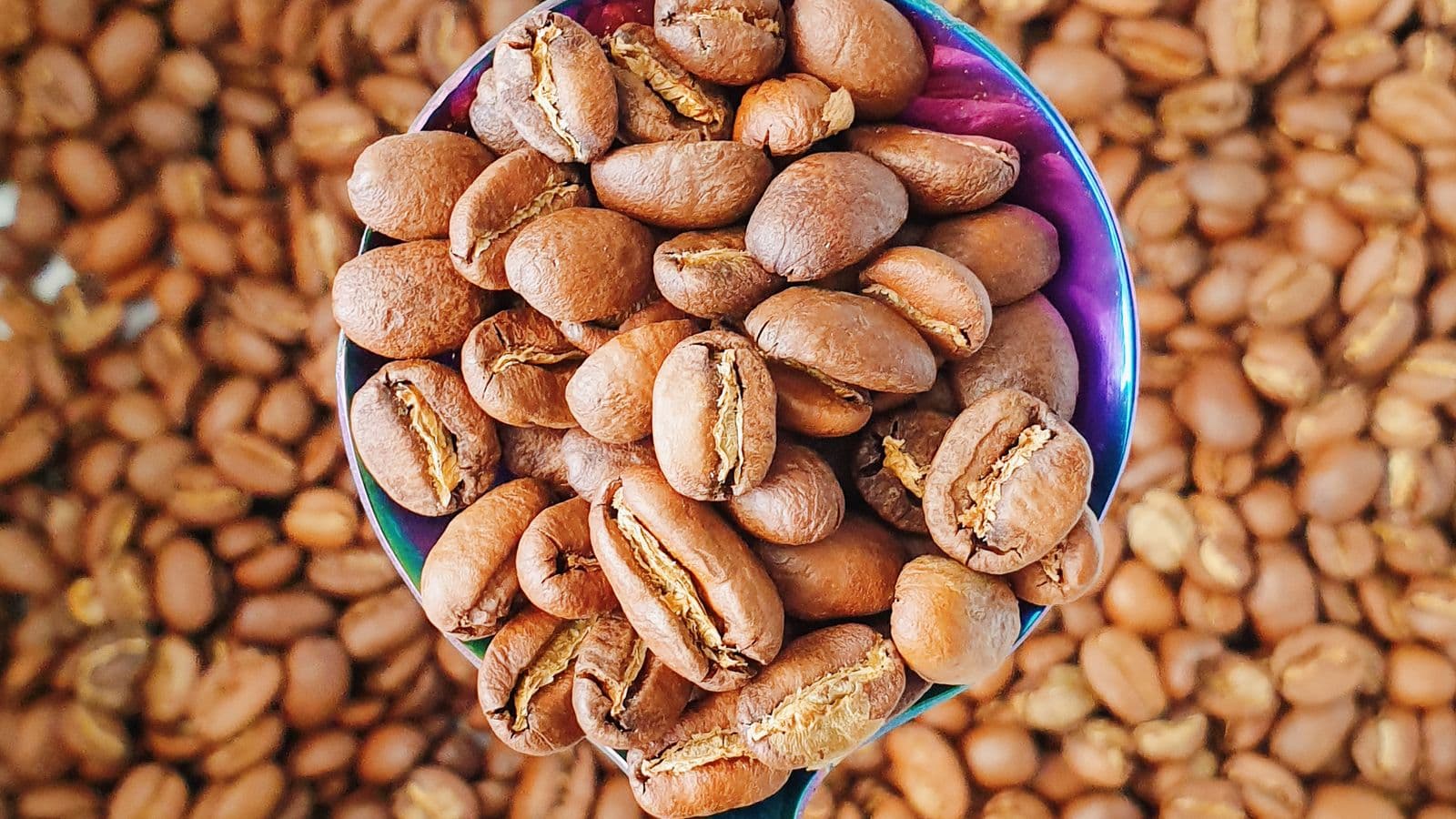
This guide breaks down everything you need to know about light, medium, and dark roast coffee: how they differ, what they taste like, which brewing methods suit each one best, and which popular "facts" about roast levels are actually myths.
Quick Comparison: Light vs Medium vs Dark Roast
| Characteristic | Light Roast | Medium Roast | Dark Roast |
|---|---|---|---|
| Internal temperature | 385–410°F (196–210°C) | 405–430°F (207–221°C) | 437–470°F (225–243°C) |
| Color | Pale tan to cinnamon brown | Medium brown | Dark brown to near-black |
| Surface texture | Dry, no oil | Mostly dry | Oily sheen |
| Acidity | High | Medium | Low |
| Body | Light, tea-like | Medium, balanced | Full, heavy |
| Caffeine content | Marginally higher | Middle | Marginally lower |
| Origin flavor expression | Very high | Moderate | Low |
| Roast flavor expression | Very low | Moderate | High |
| Common flavor notes | Floral, fruity, citrus | Caramel, nuts, chocolate | Smoke, dark chocolate, bittersweet |
The Three Roast Levels, Defined
What Is Light Roast Coffee?
Light roast coffee is roasted to just after the first "crack," an audible pop that signals the bean has expanded and begun to release moisture and CO₂. The roast stops before a second crack occurs.
The result is a bean that retains most of its original character. Light roasts taste more like the country and region the bean came from than they taste like "coffee" in the familiar sense. Expect brightness, clarity, and complexity. Acids are preserved, giving light roasts a lively, sometimes wine-like quality.
Common labels: Light City, Half City, Cinnamon Roast, New England Roast
- Flavor profile
- Floral, citrus, stone fruit, berry, jasmine, tea-like
- Acidity
- High
- Body
- Light to medium-light
- Bitterness
- Very low
What Is Medium Roast Coffee?
Medium roast is roasted past the first crack but stopped before or just at the start of the second crack. This is the sweet spot for balance: the bean's original flavors are still present, but roasting begins to add caramel, nut, and chocolatey notes of its own.
Most coffee sold in mainstream grocery stores falls into the medium roast category. It's approachable, versatile, and works well with milk-based drinks without disappearing.
Common labels: City Roast, American Roast, Breakfast Roast
- Flavor profile
- Caramel, milk chocolate, hazelnut, brown sugar, mild fruit
- Acidity
- Medium
- Body
- Medium
- Bitterness
- Low to medium
What Is Dark Roast Coffee?
Dark roast pushes into or beyond the second crack. The longer roasting time breaks down more of the bean's natural sugars and organic acids, producing bolder, more uniform flavors dominated by the roast itself: smoke, dark chocolate, bittersweet, and earthy notes.
At the darkest end (French roast, Italian roast), most of the bean's original character is gone. What you taste is primarily the roasting process.
Common labels: Full City+, Vienna Roast, French Roast, Italian Roast, Espresso Roast
- Flavor profile
- Dark chocolate, tobacco, smoke, molasses, roasted nuts
- Acidity
- Low
- Body
- Full, heavy, coating
- Bitterness
- Medium to high
How Roast Level Interacts with Coffee Origin Flavors
Every coffee bean carries terroir, the flavors imprinted by its altitude, soil, climate, and processing method. Roast level determines how much of that terroir survives into the cup.
Light roasts amplify origin character. An Ethiopian Yirgacheffe roasted light will express its signature blueberry and jasmine qualities clearly. A Colombian light roast will show red fruit and mild citrus. The roaster's job is to get out of the way and let the bean speak.
Medium roasts blend terroir with roast notes. A well-crafted medium roast from a bright Central American bean will show both its natural honey sweetness and the caramel notes introduced by roasting. This balance makes medium roast extremely versatile and crowd-pleasing.
Dark roasts suppress origin character. By the time a bean reaches French roast temperatures, regional differences narrow significantly. A dark-roasted Guatemalan and a dark-roasted Sumatran will taste far more similar to each other than they would at light or medium roast. Dark roasting can also mask defects in lower-quality beans, which is why it has historically been associated with commodity coffee, though some skilled roasters intentionally roast dark as a stylistic choice.
Practical implication: If you're buying a single-origin, specialty coffee and roasting it dark, you're largely paying for bean quality you won't taste. Single-origin beans shine brightest at light to medium-light roasts.
Which Roast Is Best for Different Brewing Methods?
Roast level and brewing method interact. Getting the match right improves the cup significantly.
Pour Over and Filter Coffee (Chemex, V60, Kalita Wave)
Best roast: Light to medium-light
Pour over methods are slow, precise, and extract delicate aromatics efficiently. Light roast's brightness and complexity are best showcased here. Dark roast over a pour over can taste harsh, bitter, or hollow rather than rich.
Drip Coffee Maker
Best roast: Medium
A standard drip machine is designed around the parameters medium roast performs best at: decent extraction, moderate heat, balanced output. Medium roast is the default recommendation for a reason.
Espresso
Best roast: Medium to medium-dark
Espresso extracts coffee under high pressure and produces a concentrated shot. Light roasts can work for espresso but require more skill; they tend to taste sour and underdeveloped if not dialed in carefully. Most specialty espresso is a medium to medium-dark roast that balances sweetness, body, and crema. Commercial espresso blends are typically dark.
French Press
Best roast: Medium to dark
French press is an immersion brew with no paper filter, meaning oils and fine particles make it into the cup. This brewing method has body to spare. Medium to dark roasts complement the naturally heavy mouthfeel and handle the longer contact time well.
Cold Brew
Best roast: Medium to dark
Cold brew extracts slowly at low temperature over 12–24 hours. Medium to dark roasts are common here and produce a rich, mellow, low-acid concentrate. That said, medium and even medium-light roasts work well too, and some specialty roasters prefer them to avoid the ashy or hollow quality that very dark roasts can develop in cold brew. Light roasts can taste brighter and less rounded in cold brew and may require adjustments to grind or steep time to get the best from them.
Moka Pot
Best roast: Medium-dark to dark
The moka pot produces a strong, pressurized brew similar to an espresso in intensity. Dark roasts stand up to this method without tipping into bitterness. Medium-dark works well; very light roasts tend to taste sour.
AeroPress
Best roast: Versatile, any roast works
The AeroPress is highly adjustable (steep time, pressure, grind size, temperature) and produces good results across all roast levels. It's one of the few methods that genuinely adapts well to light through dark.
Common Myths About Coffee Roast Levels
Myth 1: "Dark roast has more caffeine"
This is the most persistent myth in coffee. It feels intuitive: dark roast tastes stronger, so it must have more caffeine. But "strong" in flavor and caffeine content are not the same thing.
Caffeine is remarkably heat-stable. Roasting does degrade caffeine slightly over extended times, but the difference between a light and dark roast by caffeine content is marginal, roughly 5% or less when measured by weight.
Where the confusion comes from is measurement. If you measure coffee by volume (scoops), dark roast beans are physically larger and less dense due to the expansion of roasting, so you get fewer beans per scoop. By bean count, light roast edges ahead in caffeine. By weight (the accurate way to measure) they are essentially equivalent.
The short version: Roast level does not meaningfully change caffeine content. If you want more caffeine, brew stronger or add more coffee.
Myth 2: "Dark roast is higher quality"
Historically, dark roasting was used to mask defects in lower-grade commodity coffee. Today, that relationship has partially reversed: many specialty roasters use light roasts to showcase high-quality, nuanced beans. Neither roast level is inherently "better quality." Quality is determined by the bean, the farm, and the roasting skill applied, not the roast level itself.
Myth 3: "Light roast is weak coffee"
Light roast coffee has a thinner body and less bitterness, but it is not weak. It contains at least as much caffeine as dark roast and is often more complex in flavor. The confusion is between "strong-tasting" (which dark roast is) and "strong coffee" (which is about extraction and concentration, not roast level).
Myth 4: "Espresso requires dark roast"
Espresso is a brewing method, not a roast level. Many excellent specialty coffee shops now serve espresso made with medium or even medium-light roasts. These "light espressos" taste brighter and more fruit-forward than traditional dark-roasted espresso. They require more careful calibration but are not inherently inferior.
Myth 5: "Oily beans mean better, fresher coffee"
Oily beans are a byproduct of dark roasting; heat drives oils to the surface of the bean. It says nothing about freshness. In fact, oily beans go stale faster once the oils oxidize. Fresh coffee of any roast level should smell vibrant and aromatic, not flat or rancid.
FAQ
Q: Which roast level has the least bitterness? Light roast, generally. Roast-derived bitterness compounds increase as roasting progresses, so light roasts tend to be low in that type of bitterness and high in acidity instead. Dark roasts flip that: low acidity, more bitterness from the roast. Worth noting that brewing technique also matters; any roast can taste bitter if it is over-extracted. If you find coffee bitter, trying a lighter roast is a good first step, but also check your grind size and brew time.
Q: What's the difference between medium roast and medium-dark roast? Medium-dark roast pushes slightly past medium, still before full dark territory, and produces a heavier body, slightly more bittersweet notes, and less acidity. It's a popular range for espresso and French press. On the Agtron scale (which measures color/roast degree), medium typically falls around 55–65 and medium-dark around 50–55.
Q: Is dark roast bad for you? No. All coffee is roasted; the health effects of coffee consumption are not meaningfully determined by roast level for the general population. Some studies suggest light roast may retain slightly more antioxidant compounds (particularly chlorogenic acids, which break down with heat), but the practical difference in a daily cup is negligible.
Q: Why does some coffee taste burnt even though it says "medium roast"? Roast level labeling is not standardized across the industry. A brand selling a "medium roast" may be using a degree of roast that another brand would call medium-dark or even dark. Additionally, stale coffee (regardless of roast) can taste flat and harsh. If your medium roast tastes burnt, try a different roaster or check the roast date (look for beans roasted within the last 2–4 weeks).
Q: Can you mix roast levels? Yes, and blending is common. Many commercial espresso blends intentionally mix roast levels to balance brightness, sweetness, and body. Some roasters blend a medium and a dark from different origins to get the best of both. Experimenting at home by mixing light and dark in different ratios is a legitimate way to dial in your preferred cup.
Q: Does roast level affect how long coffee stays fresh? Yes. Lighter roasts are generally more stable and stay fresh slightly longer, as darker roasting drives oils to the bean surface where they oxidize quickly. For best flavor, store coffee in an airtight container away from heat and light, and grind just before brewing. Aim to use beans within 2–4 weeks of the roast date for any roast level.
Q: What does "roast date" mean and why does it matter? Roast date is the day the green beans were roasted. Freshly roasted coffee off-gasses CO₂ and is best consumed 5–21 days after roasting (light roasts can benefit from a few extra days of rest). A "best by" date is far less useful than a roast date; always look for the roast date when buying specialty coffee.
Summary
Roast level is one of the most powerful levers in coffee flavor, but it's often misunderstood. Light roast preserves the origin character of the bean: bright, fruity, and complex. Dark roast amplifies the flavors created by heat: bold, bitter, and smoky. Medium roast balances both worlds and remains the most versatile choice for everyday brewing.
Neither lighter nor darker is objectively better. The right roast depends on your palate, your brewing method, and what you want from the cup. The most important thing is to buy fresh, quality beans and experiment; roast level is a reliable starting point for finding what you actually enjoy.