
Guide
How to Brew Better Coffee at Home: Ratios, Grind Size, Temperature, and Taste
Learn how to brew better coffee at home by adjusting ratio, grind size, water temperature, and extraction, with a simple way to fix sour or bitter coffee.
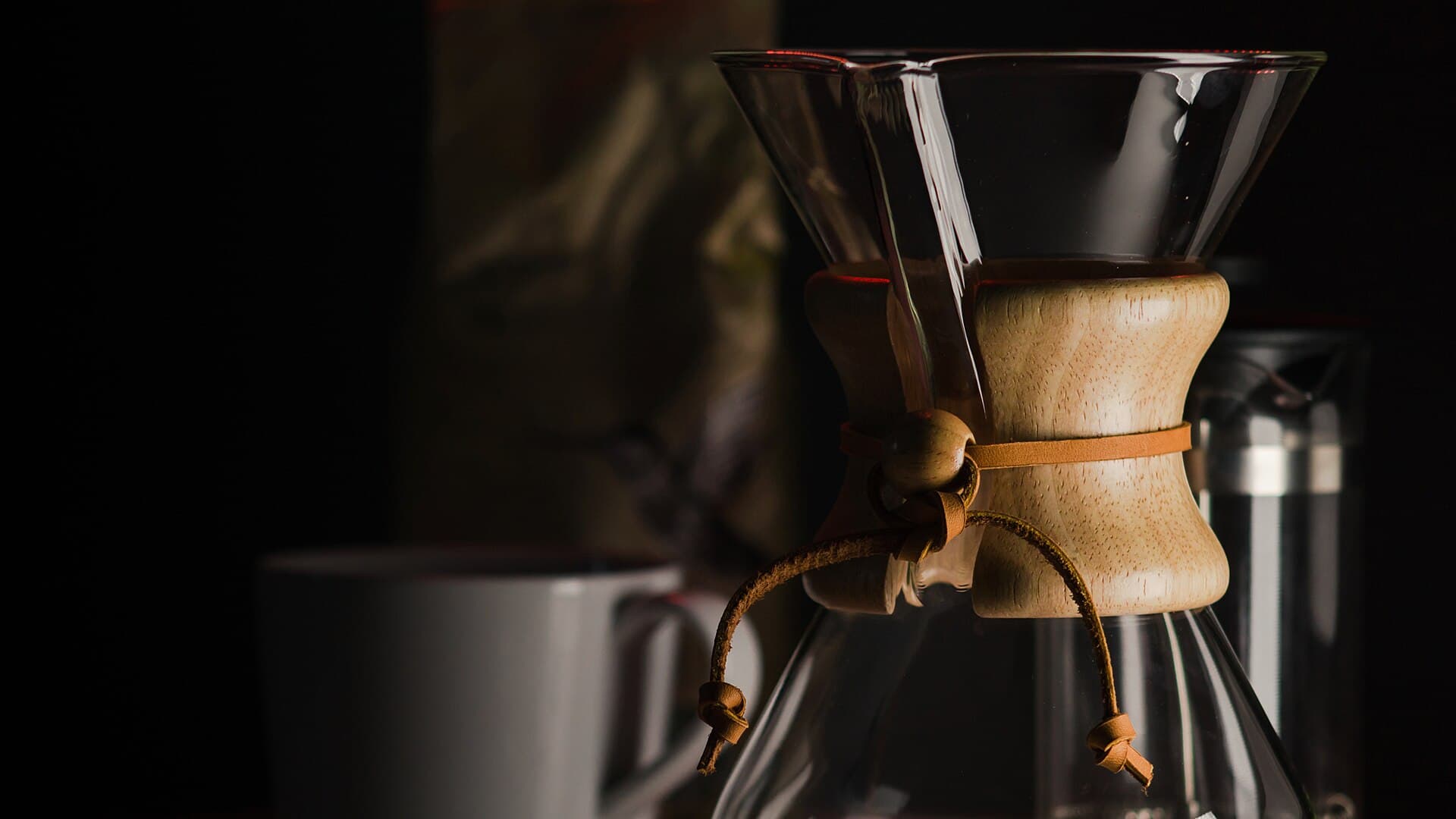
Coffee can taste confusing until you know which part of the process to adjust. Better coffee at home comes down to a handful of variables you can control. This guide explains them in plain language so you can taste a cup, spot the problem, and fix it.
What Makes Coffee Taste "Good"?
Good coffee is balanced, without sharp sourness or heavy bitterness getting in the way.
There is no single correct cup, but most well-made coffee shares a few traits:
- Sweetness that feels natural, not added
- Clarity, meaning you can pick out distinct flavors
- Balance between acidity, body, and any bitterness
- A clean finish rather than a harsh or hollow aftertaste
The Main Variables in Coffee Brewing
Most brewing problems come from two things: strength and extraction. Ratio changes strength most directly, meaning how concentrated the cup tastes. Grind size, brew time, water temperature, and agitation mostly change extraction, meaning how much flavor is pulled from the grounds. The two overlap, but they are not the same thing.
The four extraction levers are the dials you will turn most often:
- Time: Longer contact between water and grounds usually means more extraction.
- Temperature: Hotter water usually extracts faster.
- Grind: A finer grind exposes more surface area and usually extracts more easily. A coarser grind exposes less surface area and usually extracts more slowly.
- Agitation: Stirring or pouring turbulence can increase extraction.
The single most useful habit in home brewing: change one variable at a time. Adjust three things at once and you will not know which one helped.
Coffee-to-Water Ratio Explained
Coffee-to-water ratio is the amount of coffee compared to water, usually written like 1:16: one gram of coffee for every 16 grams of water.
A common starting range for many home brews is around 1:15 to 1:17. Within that range:
- Use closer to 1:15 for a stronger, more intense cup.
- Use closer to 1:17 or more water for a lighter, more delicate cup.
Espresso uses a much tighter ratio, often around 1:2 by dose to finished espresso yield, which is why it tastes concentrated.
| Brew style | Typical ratio | Result |
|---|---|---|
| Stronger filter coffee | ~1:15 | Bolder, fuller cup |
| Balanced filter coffee | ~1:16 | Middle-ground starting point |
| Lighter filter coffee | ~1:17+ | Cleaner, more delicate cup |
| Espresso | ~1:2 | Concentrated and intense |
These are starting points, not rules. A kitchen scale makes ratios easy to repeat, which matters more than hitting any exact number.
Extraction Explained in Plain Language
Extraction is the process of dissolving soluble flavors out of coffee grounds and into your water. How much you extract shapes how the cup tastes.
There are three broad outcomes:
- Under-extraction: Not enough flavor was pulled out. The coffee often tastes sour, sharp, unpleasantly acidic, thin, or even a little salty.
- Over-extraction: Too much was pulled out, including harsher compounds. The coffee often tastes bitter, dry, harsh, or hollow.
- Balanced extraction: The sweet spot. The coffee tastes sweet, clear, complex, and pleasant.
Once you can tell sour from bitter, you can diagnose many cups: sour often points toward under-extraction, while bitter, dry, or harsh flavors often point toward over-extraction, roast bitterness, or uneven extraction.
How Grind Size Changes Flavor
Grind size is one of the most powerful dials. It changes the surface area water touches and how fast it flows through the coffee.
- Finer grind: Exposes more surface area and usually increases extraction. In pour-over, it can also slow the flow. Taken too far, it can make coffee bitter, dry, muddy, or uneven.
- Coarser grind: Less surface area, slower extraction. Pushes a cup toward lighter and, if taken too far, sour or weak.
In practice:
- If your coffee tastes sour or underdeveloped, try grinding finer to extract more.
- If your coffee tastes bitter or harsh, try grinding coarser to extract less.
Different brew methods call for different grind sizes, from coarse for French press to fine for espresso. A consistent grinder keeps every other variable predictable.
Water Temperature by Roast Level
Water temperature affects how quickly flavors extract. Hotter water extracts faster, so the right temperature often depends on the roast.
| Roast level | Suggested water temperature | Why |
|---|---|---|
| Light | ~200–205°F / 93–96°C, or just off boil for some very light roasts | Often needs more extraction help |
| Medium | ~195–205°F / 90–96°C | A flexible middle range |
| Dark | ~190–200°F / 88–93°C | Cooler water can reduce harshness |
Treat these as starting points, not strict rules. If a light roast tastes sour, slightly hotter water may help. If a dark roast tastes bitter, slightly cooler water may help. For more on how roast level shapes flavor, see Beanie's guide on roast levels.
Freshness, Roast Date, and Storage
Fresh beans usually taste better, with more aroma and sweetness. Many specialty coffees taste best after resting at least a few days, often in the 1 to 4 week range after roasting.
This is a guide, not an expiration date. Very light roasts and espresso can benefit from more rest, while older beans are not unsafe, just less aromatic.
To keep beans fresher for longer:
- Buy whole beans and grind right before brewing when you can.
- Look for a roast date on the bag, not just a best-by date.
- Store beans in an airtight container, away from light, heat, and moisture.
- Avoid storing in the fridge, where moisture and odors can sneak in.
One more habit that often gets overlooked: clean your brewer and grinder regularly. Old coffee oils build up over time and can make even fresh beans taste bitter, stale, or rancid.
Blooming and Why It Matters
Blooming is a short first pour in pour-over and filter brewing. You add just enough hot water to wet the grounds, then wait about 30 to 45 seconds before continuing.
Why it helps:
- Fresh coffee releases carbon dioxide when it meets hot water.
- That gas can create bubbles and uneven channels in the bed of grounds.
- Letting it escape first allows water to flow more evenly, which can improve extraction.
Blooming matters most with fresh coffee, which holds more carbon dioxide. Older beans may bubble very little, which is normal. A weak bloom does not always mean stale coffee, since very light roasts are denser and can bloom less even when fresh.
How to Fix Sour, Bitter, Weak, or Muddy Coffee
The feedback loop ties everything together:
- Taste the coffee and name the problem.
- Diagnose whether it leans sour, bitter, weak, or muddy.
- Change one variable.
- Track the result so you remember what worked.
Quick diagnosis cheat sheet:
- Sour or sharp usually means the coffee needs more extraction, but light roasts can also be naturally bright. Try grinding finer, using hotter water, brewing longer, or improving saturation.
- Bitter, dry, or harsh usually means too much extraction, too much roast bitterness, or uneven extraction. Try grinding coarser, using slightly cooler water, brewing shorter, or reducing agitation.
- Weak or watery is often a strength problem first. Use more coffee, less water, or a finer grind.
- Muddy or unclear often points to too many fines, too fine a grind, too much agitation, or filtration issues.
Keeping a simple log makes this far easier. Tools like Beanie let you discover new coffees and track what you brewed, what changed, and what tasted better, so each cup builds on the last.
Coffee Brewing Troubleshooting Table
| Problem | Likely Cause | What to Change Next |
|---|---|---|
| Sour or sharp | Under-extraction | Grind finer, raise water temperature, or brew longer |
| Bitter or harsh | Over-extraction, roast bitterness, or uneven extraction | Grind coarser, lower water temperature, brew shorter, or reduce agitation |
| Weak or watery | Too much water or grind too coarse | Use a tighter ratio (closer to 1:15) or grind finer |
| Too strong or intense | Too little water or grind too fine | Add more water (closer to 1:17) or grind coarser |
| Muddy or unclear | Grind too fine, over-agitation, or weak filter | Grind coarser, stir less, or check your filter |
| Flat or lifeless | Stale beans, dirty equipment, or very hard, very soft, chlorinated, or flat-tasting water | Use fresher beans, clean your gear, and try filtered water |
A Quick Word on Water
Water is most of what is in your cup. Filtered water often tastes cleaner than heavily chlorinated, very hard, or very soft water. If a cup tastes off, check your water.
Frequently Asked Questions
Why does my coffee taste sour?
Sour coffee is usually under-extracted, meaning not enough flavor was pulled from the grounds. Try grinding finer, using slightly hotter water, or brewing a little longer. Light roasts can also taste brighter and more acidic by nature.
Why does my coffee taste bitter?
Bitter coffee is often over-extracted. Try grinding coarser, using slightly cooler water, or shortening the brew time. Very dark roasts can also carry more natural bitterness.
What is the best coffee-to-water ratio?
There is no single best ratio, but 1:15 to 1:17 is a reliable starting range for filter coffee. Use closer to 1:15 for a stronger cup and closer to 1:17 for a lighter one.
What water temperature should I use?
A common range is around 190°F to 205°F (88°C to 96°C), adjusted by roast. Lighter roasts often suit hotter water, while darker roasts often do better slightly cooler.
How fresh do coffee beans need to be?
Many specialty coffees taste best somewhere in the 1 to 4 week range after roasting, often after at least a few days of rest. This is a guide, not a hard rule. Beans past that window are not bad, they may just taste less vibrant.
Do I really need to bloom my coffee?
Blooming mainly helps with fresh coffee in pour-over and filter methods by letting carbon dioxide escape for more even extraction. With older beans, the effect is smaller.
What is the easiest single change to improve my coffee?
Grind fresh and weigh your coffee and water with a scale. Consistency makes every other adjustment easier to judge. For more on identifying what you are tasting, see Beanie's guide on coffee tasting notes and its beginner's guide to specialty coffee.
Better coffee comes from paying attention more than strict rules. Taste the cup, change one thing, and notice what happens. That loop turns guesswork into a routine you can trust.