
Guide
Should You Freeze Coffee Beans? A Practical Storage Guide
Freezing coffee beans helps for surplus and special coffees, not everyday storage. Learn when to freeze, how to avoid condensation, and common myths debunked.
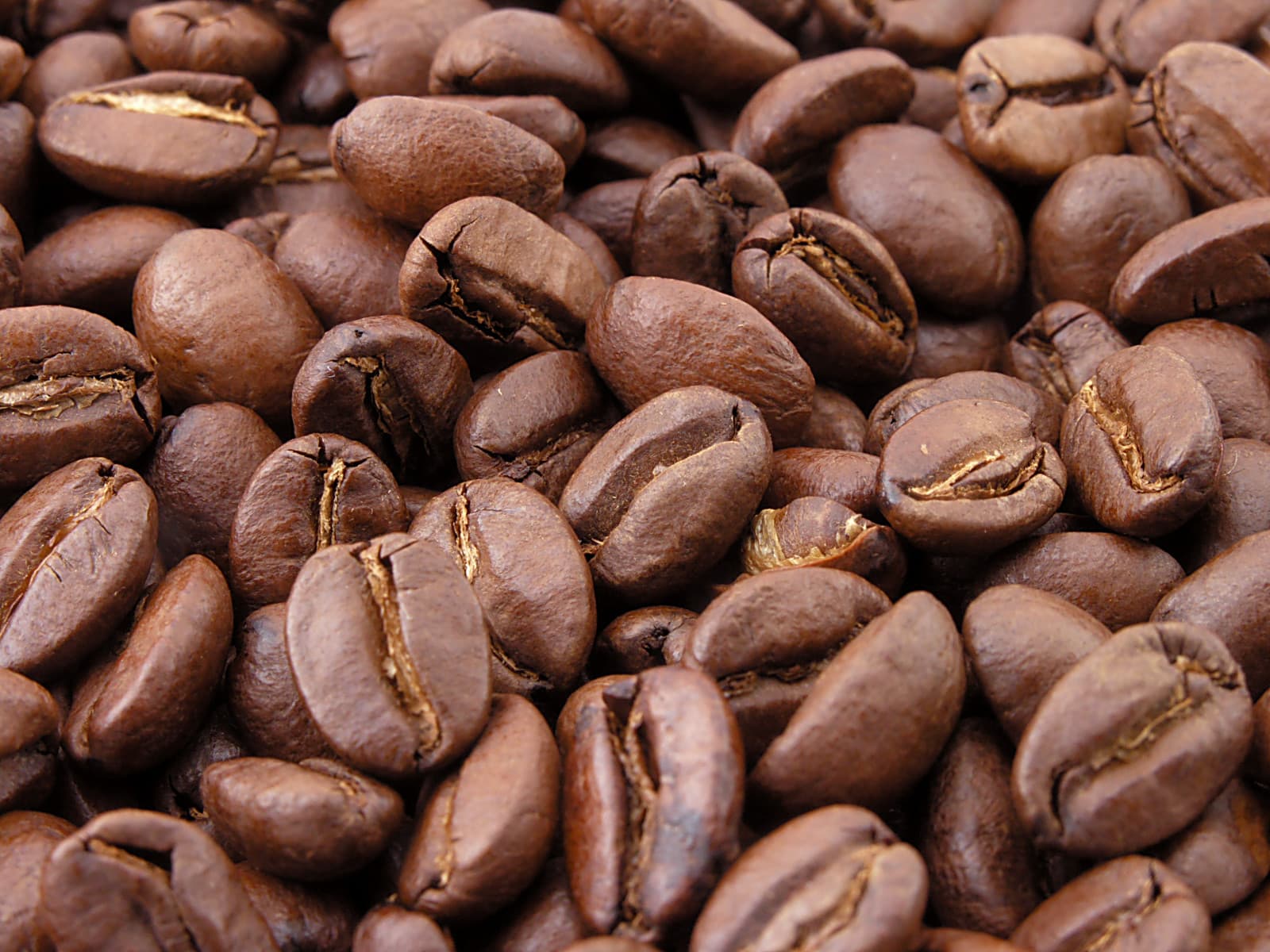
Freezing coffee beans is one of the most debated topics in home brewing, and most of the confusion comes from mixing up two different situations: everyday storage and long-term storage. The short version is that you do not need to freeze coffee you will finish within a few weeks, but freezing can genuinely help when you have more coffee than you can drink before it goes stale. This guide explains when freezing helps, when it is unnecessary, and how to do it properly if you decide to.
The Short Answer
Freeze coffee beans only when you cannot drink them before they lose freshness. For coffee you expect to finish within two to four weeks, room-temperature storage in a sealed container away from heat and light is usually protective enough and far more convenient, though freezing will slow staling further. Freezing is a preservation tool for surplus beans, not a requirement for daily storage.
- Drinking it soon? Store it airtight at room temperature, away from light and heat.
- Have too much to finish in time? Portion it, seal it well, and freeze it.
What Actually Makes Coffee Go Stale
To decide whether freezing helps, it helps to know what you are protecting the beans from. Coffee loses freshness because of four main factors:
- Oxygen: Air slowly oxidizes the oils and compounds that give coffee its flavor and aroma. It is generally considered the most important external factor.
- Heat: Warm temperatures make the chemical reactions behind staling happen faster.
- Moisture: Coffee can absorb moisture from humid air, which accelerates aroma loss and other staling reactions.
- Light: Direct light, especially through a transparent container, degrades flavor over time.
Freezing works because lower temperatures slow down these chemical reactions. Cold beans in a sealed, moisture-free container stale much more slowly than the same beans sitting in a cupboard. The main freezer-specific risk is condensation, which happens when cold beans meet warmer, humid air, so how you freeze matters as much as whether you freeze.
When Freezing Coffee Beans Helps
Freezing can be worthwhile in a few specific situations:
- You bought in bulk. A large bag you cannot finish in a month will hold its flavor far better frozen than sitting open on a shelf.
- You have a special or rare coffee. If you want to save a limited-release or expensive bag for later, freezing can preserve much of its aroma and flavor for substantially longer.
- You buy several coffees at once. Rotating through multiple bags means some sit unused for weeks. Freezing the ones you are not drinking yet keeps them fresh.
- You want to reduce waste. Freezing lets you stretch a good coffee over a longer period without throwing away stale beans.
In all of these cases, the goal is the same: slow down staling for coffee that would otherwise sit around too long.
When Freezing Is Unnecessary
For most everyday drinkers, the extra preservation may not be worth the effort if the coffee will be finished within a few weeks. Skip it when:
- You buy coffee in amounts you finish within two to four weeks.
- You have a good airtight container and a cool, dark spot to keep it.
- You buy fresh and often, so beans never sit around long enough to stale.
Roasted coffee stays enjoyable for several weeks at room temperature when stored well. If that describes how you drink, the extra step of freezing usually is not worth it.
How to Freeze Coffee Beans Properly
If you decide to freeze, the method matters. Done carelessly, freezing can introduce moisture and hurt the coffee. Done well, it preserves it reliably.
Use Airtight, Moisture-Proof Packaging
The main avoidable risks in a freezer are moisture, condensation, oxygen exposure, and food odors entering through inadequate packaging. Beans should be sealed in a container or bag that keeps air and water out.
- Use a vacuum-sealed bag or another genuinely airtight, moisture-resistant package. For storage lasting several months, use high-barrier packaging rather than relying on a thin zip-top bag alone.
- Remove as much air as you can before sealing.
- Avoid loose or partly open bags, which let in moisture and smells from other food.
Portion Before You Freeze
Portioning is one of the most useful habits when freezing coffee. Instead of freezing one large bag you open repeatedly, divide the coffee into smaller portions before freezing.
- Split the beans into amounts you will use within a week or two.
- Seal each portion separately.
- Take out only one portion at a time.
Portioning means the rest of your coffee stays sealed and undisturbed in the freezer while you work through a single batch.
Avoid Condensation
When cold beans meet warm, humid air, moisture can condense on their surface. How you handle this depends on the size of the portion:
- If the package contains a single brew's worth of coffee, you can open it and grind the beans directly from frozen.
- If the package contains several days' worth of coffee, let it reach room temperature while still sealed before opening it.
- Avoid opening a cold package, removing some beans, and repeatedly returning the rest to the freezer.
Limit How Often You Open a Cold Package
The real risk is not that coffee is frozen twice. It is opening a cold package, letting condensation and humid air in, and then returning that moisture to the freezer.
- To minimize condensation and oxygen exposure, freeze coffee in portions and avoid repeatedly opening a cold package.
- Once a portion has warmed and been opened, it is simplest to keep it at room temperature rather than returning it to the freezer.
- Because you portioned ahead of time, you rarely need to disturb the rest of your supply.
There is also a workable alternative for a single container: remove up to about a week's supply quickly, then return the sealed container to the freezer before condensation forms. Portioning is simpler and less error-prone, but it is not the only valid method.
Coffee beans can be ground directly from frozen. Research has found that colder beans may also grind more uniformly, though the effect on the final cup will depend on your grinder and recipe.
Freezer vs Room Temperature Storage
| Factor | Room Temperature | Freezer |
|---|---|---|
| Best for | Coffee finished within 2 to 4 weeks | Surplus or long-term storage |
| Effort | Low, just a sealed container | Higher, usually benefits from portioning |
| Main risk | Slow staling from air and heat | Moisture and condensation if done poorly |
| Convenience | Grab and brew anytime | Needs planning around portions |
| Flavor over time | Fades gradually over weeks | Changes much more slowly if sealed well |
The table makes the trade-off clear. Room temperature wins on convenience for coffee you drink quickly. The freezer wins on preservation for coffee you cannot finish in time.
Common Myths About Freezing Coffee
A lot of freezer advice is based on habit rather than how coffee actually behaves. A few myths worth clearing up:
- Myth: The freezer is the best everyday storage spot. For coffee you will finish within a few weeks, a sealed container in a cool, dark place is usually protective enough and far simpler, even though freezing slows staling further.
- Myth: Freezing ruins coffee. Properly freezing whole beans does not inherently ruin them. Problems come from moisture, poor sealing, and condensation, all of which are avoidable.
- Myth: The fridge is a good middle ground. Refrigeration can slow staling when coffee is sealed well, but it is usually less practical than freezing for long-term storage. Frequently opening a refrigerated container exposes the beans to condensation and food odors.
- Myth: You must fully thaw beans before grinding. Many people grind directly from frozen without issue. The thing to avoid is letting moisture into a cold, opened package.
Common Mistakes to Avoid
- Freezing coffee in an opened bag that cannot be resealed airtight.
- Storing one large batch and opening it over and over.
- Opening cold beans immediately in a warm kitchen, causing condensation.
- Returning a warmed, opened portion to the freezer with moisture already on it.
- Freezing coffee you will finish soon anyway, which adds hassle for no real gain.
How to Choose and Store Beans for Freshness
Good storage starts before the freezer question. A few habits keep coffee tasting its best:
- Buy amounts that match how fast you drink, so less coffee sits around.
- Look for a roast date rather than only a best-before date, so you know how fresh the beans are.
- Keep your working supply in an airtight container away from the stove, oven, and windows.
- Reserve freezing for the extra coffee you cannot get to in time.
If you are still building your palate and want help finding coffees worth saving, a discovery tool like Beanie can help you explore roasters and beans that suit your taste, so the coffee you store is coffee you actually look forward to drinking.
Frequently Asked Questions
Does freezing coffee beans ruin them?
No. Properly freezing whole coffee beans does not inherently ruin them. Issues come from moisture, poor sealing, and letting condensation into a cold, opened package. When sealed well and protected from condensation and humid air, frozen beans retain their flavor far longer than beans stored at room temperature.
How long can you freeze coffee beans?
Well-sealed, portioned beans hold their quality for several months in the freezer. The National Coffee Association gives roughly three to four months for frozen roasted beans as a conservative guide. The exact window depends on packaging and how airtight it is, but the better the seal, the longer they last.
Should you store coffee in the fridge instead?
Refrigeration can slow staling when coffee is sealed properly, but it is usually less practical than freezing for long-term storage. Frequently opening a refrigerated container exposes the beans to condensation and food odors, so for everyday storage a cool, dark cupboard is simpler, and for long-term storage the freezer is the stronger option.
Can you grind frozen coffee beans directly?
Yes. Many people grind straight from frozen without letting the beans thaw, and research has found that colder beans may grind more uniformly, though the effect on the cup depends on your grinder and recipe. If a portion has warmed and been opened, it is simplest to keep it at room temperature rather than refreezing it.
Do you need to freeze coffee at all?
Not for everyday drinking. If you finish your coffee within two to four weeks, a good airtight container at room temperature is enough. Freezing is mainly useful for surplus or coffee you want to save for later.
Should you let frozen beans warm up before opening the container?
If you plan to keep the portion at room temperature and use it over several days, let it warm completely while sealed before opening it. If it contains only enough for one brew, you can open it and grind the beans directly from frozen.