
Guide
How Long Do Coffee Beans Stay Fresh? Roast Date, Storage, and Flavor Explained
Learn how long coffee beans stay fresh, what roast date means, and how to store beans so your specialty coffee tastes its best.
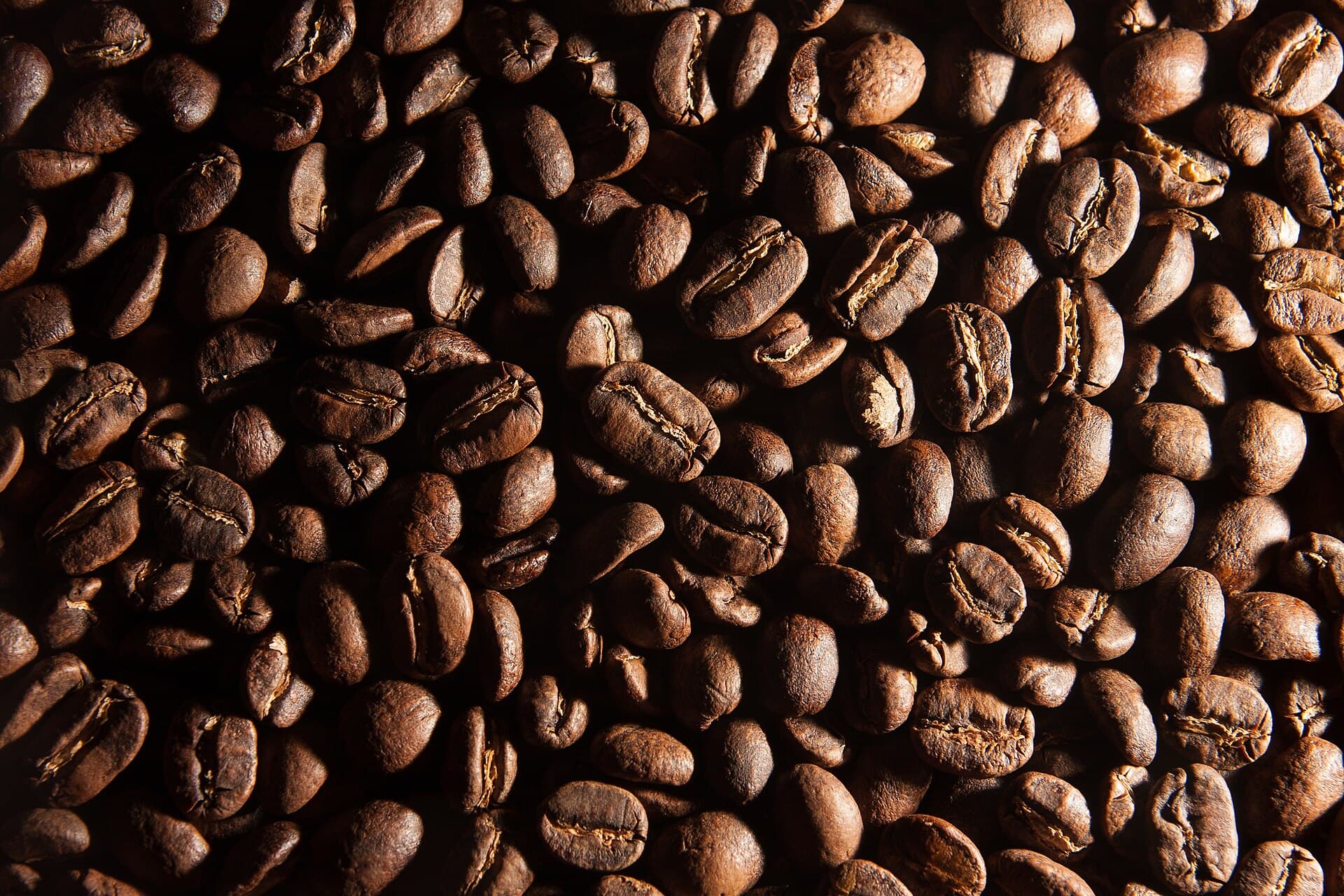
Coffee does not have a single hard expiration date, but it does taste better within a certain window after roasting. This guide explains how long coffee beans stay fresh, what roast date really tells you, and how to store beans so they taste their best for as long as possible.
Quick Answer: How Long Do Coffee Beans Stay Fresh?
Most specialty coffee tastes best within about 2 to 4 weeks after the roast date when stored well as whole beans.
A few key points:
- This is a practical peak-use window, not a strict deadline.
- Coffee does not become unsafe or worthless after this point. It simply tends to lose brightness and complexity.
- The exact timing depends on roast level, packaging, storage, and whether the coffee is whole bean or pre-ground.
- Personal taste matters. Some people prefer coffee a little older and mellower.
Older beans are still usable. They may just taste flatter than they did when fresh.
What Roast Date Means
The roast date is the day the green coffee was roasted. It is the most useful freshness indicator on a bag of specialty coffee.
Why it matters:
- Coffee flavor begins to change from the moment it is roasted.
- A roast date lets you judge freshness for yourself instead of relying on a generic best-by stamp.
- A best-by or expiration date is often set far in the future and tells you little about peak flavor.
When you buy coffee, look for a printed roast date. If a bag only shows a best-by date and no roast date, it gives you less useful freshness information.
Is Fresher Always Better?
Not exactly. Newer is not automatically better.
Very fresh coffee, roasted only a day or two ago, can actually be harder to brew well. This is because of degassing, which we explain below.
The goal is not to chase the newest possible bag. The goal is to drink coffee inside a window where it tastes balanced and expressive to you.
In short:
- Too fresh can mean uneven, gassy extraction.
- Too old can mean flat, dull flavor.
- The sweet spot sits somewhere in between, and it shifts based on the coffee and your brewing method.
Why Coffee Needs Time After Roasting
Roasting creates carbon dioxide (CO2) inside the beans. After roasting, the coffee slowly releases that gas in a process called degassing.
How this affects your cup:
- Right after roasting, beans release a lot of CO2.
- Excess CO2 can disrupt how water contacts the grounds, which may lead to uneven extraction.
- After a few days of rest, degassing slows and brewing becomes more consistent.
This is why many roasters and home brewers let beans rest for several days before the first brew.
Blooming Helps With Fresh Coffee
If you brew pour-over or filter coffee, blooming is a simple way to manage CO2.
To bloom:
- Pour a small amount of hot water over the grounds at the start of the brew.
- Wait about 30 to 45 seconds.
- Watch the grounds puff up and release gas, then continue your pour.
Blooming lets some CO2 escape before the main brew, which helps water extract flavor more evenly.
Best Window for Drinking Specialty Coffee
For many specialty coffees, a practical timeline looks like this.
| Coffee Age After Roast | What to Expect | Best Use |
|---|---|---|
| 0 to 4 days | Often still degassing heavily, can be gassy or harder to brew evenly | Rest the beans, or bloom well before brewing |
| 5 to 14 days | Often bright and expressive | Filter and pour-over especially, though some espresso coffees may need a longer rest |
| 2 to 4 weeks | Balanced and still flavorful for most coffees | Everyday brewing across most methods |
| 4 to 8 weeks | Flavors fade and soften, less brightness | Milk drinks, batch brew, or when you are less picky |
| 8 weeks and beyond | Often flat or dull, though still drinkable | Use up rather than savor |
Treat these ranges as flexible guidelines. Darker roasts often change faster, while some espresso-focused coffees taste better after a longer rest. Your own taste is the final judge.
Whole Bean vs Ground Coffee Freshness
Whole beans stay fresh longer than ground coffee. This is one of the most reliable rules in coffee.
Why grinding speeds up staling:
- Grinding exposes far more surface area to air.
- More surface area means faster loss of aroma and flavor.
- Ground coffee can lose aroma quickly, sometimes within hours, and taste noticeably duller within days.
Practical takeaways:
- Buy whole beans when you can.
- Grind right before you brew.
- If you must buy pre-ground, buy smaller amounts and use them quickly.
A simple home grinder is one of the most effective upgrades for better tasting coffee.
How to Store Coffee Beans
Good storage protects flavor. The enemies of fresh coffee are air, light, heat, moisture, and strong odors.
Best practices:
- Store coffee in an airtight container.
- Keep it in a cool, dark place such as a cupboard or pantry.
- Keep beans away from heat sources like the stove or direct sun.
- Avoid moisture, so do not store coffee near the kettle or sink.
- Keep coffee away from strong-smelling foods, since beans can absorb odors.
- Note the roast date so you can track freshness over time.
Should You Freeze Coffee?
Freezing is optional and a little advanced.
- For everyday use, a sealed container in a dark cupboard is usually enough.
- If you freeze, use airtight, single-dose portions and avoid repeated thawing and refreezing.
- Moisture from condensation is the main risk, so do not freeze and refreeze the same beans.
For normal week-to-week drinking, pantry storage is usually enough. Freezing is most useful when you buy more coffee than you can finish in a few weeks or want to save a special bag.
Signs Your Coffee May Be Stale
Stale coffee rarely tastes "bad" in a dramatic way. It usually just tastes less interesting.
Common signs:
- Flat or muted flavor with little aroma.
- A papery, cardboard, or dull quality.
- Less sweetness and brightness than the coffee once had.
- A weak or faint bloom when you brew, since old beans have little CO2 left.
If your coffee shows these signs, age or poor storage may be the cause.
Freshness vs Extraction: How to Tell the Difference
Not every off-tasting cup is a freshness problem. Brewing variables matter just as much.
Here is how to read your cup. These are common patterns, not guaranteed diagnoses.
- Flat, papery, or dull: Often a freshness or storage issue.
- Sour or sharp: Usually under-extraction, not staleness. Try a finer grind, hotter water, or a longer brew. Sourness can also come from the coffee itself, such as a light roast, a high-acidity origin, or very fresh beans, so it is not always a brewing fault.
- Bitter or harsh: Usually over-extraction. Try a coarser grind, cooler water, or a shorter brew. Bitterness can also come from a dark roast, stale coffee, or dirty equipment.
If a coffee tastes sour and bitter at the same time, the cause may be uneven extraction rather than too much or too little. This often means water did not pass evenly through the coffee bed, which can happen with an inconsistent grind or with channeling in pour-over and espresso.
Other factors that affect flavor:
- Grind size and consistency.
- Water temperature.
- Brew time and coffee-to-water ratio. Keep in mind that ratio mostly affects strength, though it can also influence extraction indirectly.
- Water quality. Filtered water often improves flavor compared with hard or heavily chlorinated tap water.
Before blaming the beans, check whether your grind, ratio, and water could be the real cause.
A helpful habit is to log what you brew. With a coffee discovery tool like Beanie, you can track roast date, brew date, tasting notes, and ratings over time, which makes it easier to spot whether a flavor change comes from aging beans or from how you brewed them.
Common Storage Mistakes
Small storage habits make a real difference. Here are frequent mistakes and better options.
| Storage Mistake | Why It Hurts Flavor | Better Option |
|---|---|---|
| Leaving beans in an open bag | Constant air exposure speeds staling | Use an airtight container or sealed valve bag |
| Storing near the stove or oven | Heat accelerates flavor loss | Keep beans in a cool, dark cupboard |
| Keeping coffee on a sunny counter | Light and heat degrade flavor | Store away from direct sunlight |
| Grinding a week's worth at once | Ground coffee stales quickly | Grind right before each brew |
| Storing near spices or onions | Beans absorb strong odors | Keep coffee in a separate sealed container |
| Repeatedly freezing and thawing | Condensation adds moisture | Freeze in airtight single-dose portions only |
| Ignoring the roast date | You lose track of peak freshness | Note the roast date and plan use around it |
Fixing even a couple of these can noticeably improve your daily cup.
Frequently Asked Questions
Does coffee expire?
Roasted coffee usually does not expire in the way perishable food does, and old beans are generally safe to drink. What changes is flavor. Over time coffee loses aroma and brightness and tends to taste flat rather than spoiled. That said, discard coffee if it smells moldy or rancid, shows visible mold, or has been exposed to moisture.
How long do coffee beans stay fresh after roasting?
Many specialty coffees taste best within about 2 to 4 weeks of the roast date when stored well as whole beans. This is a peak-flavor window, not a hard cutoff, and beans remain usable beyond it.
When is coffee best after roasting?
For many coffees, the range of roughly 5 days to 4 weeks after roasting offers a good balance of flavor and easy brewing. The first few days can be gassy, while later weeks gradually fade.
Is it bad to drink very fresh coffee?
It is not bad, but very fresh coffee releases more CO2, which can make extraction less even. Resting the beans a few days or blooming during brewing usually solves this.
How should I store coffee beans at home?
Use an airtight container kept in a cool, dark place away from light, heat, moisture, and strong odors. Buy whole beans, grind fresh, and note the roast date so you can track freshness.
Is whole bean or ground coffee fresher?
Whole beans stay fresh longer because grinding exposes more surface area to air. Pre-ground coffee loses aroma and flavor faster, so grinding right before brewing is the better option.
My coffee tastes sour. Is it stale?
Sourness is more often a sign of under-extraction than staleness. Try a finer grind, hotter water, or a longer brew before assuming the beans are old. Flat or papery flavors are the more typical signs of aging coffee.
Does water quality affect coffee flavor?
Yes. Water makes up most of your cup, so quality matters. Filtered water often tastes cleaner and can improve flavor compared with hard or heavily chlorinated tap water.