
Guide
Coffee Grind Size Guide: How Grind Affects Flavor and Brew Time
Learn how coffee grind size changes flavor and brew time, the right grind for pour over, French press, and espresso, and how to fix sour or bitter coffee.
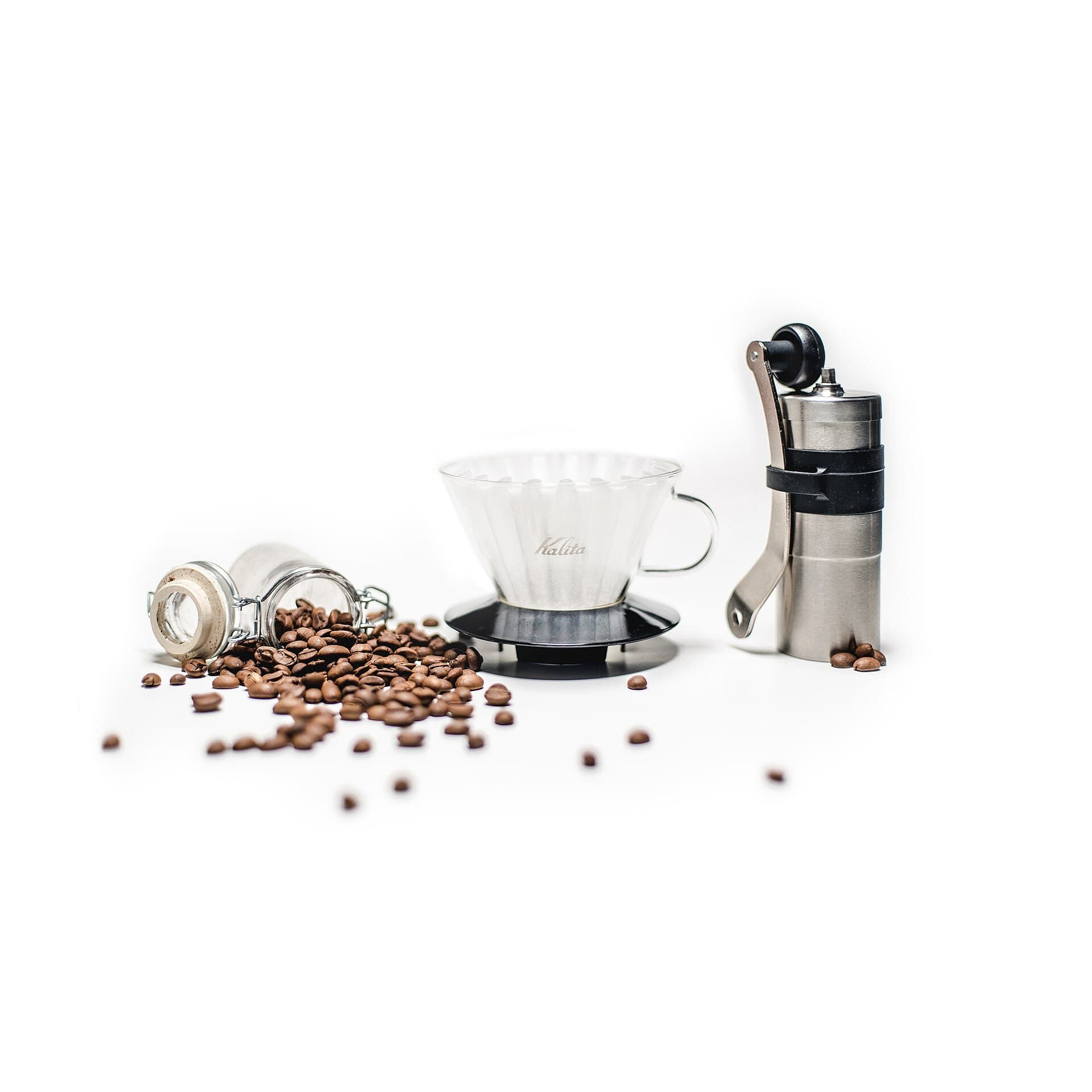
Grind size is one of the biggest reasons home coffee tastes different from day to day. The good news is that once you understand how grind works, it becomes one of the easiest things to adjust. This guide explains what grind size does, how to match it to your brew method, and how to fix many common flavor problems by adjusting grind.
Quick Answer: What Grind Size Should You Use?
There is no single correct grind setting that works for every grinder or every coffee. The right grind depends on your brew method, your grinder, the coffee itself, the roast level, and your recipe.
As a starting point:
- Espresso: very fine
- Pour over: medium-fine to medium
- Drip coffee: medium
- French press: coarse
- Cold brew: medium-coarse to coarse
Use these as a starting point, then adjust based on taste. If your coffee tastes sour, grind finer. If it tastes bitter or dry, grind coarser.
What Grind Size Means
Grind size refers to how large or small the coffee particles are after grinding whole beans. It is usually described on a scale from fine to coarse.
- Fine grind: small particles, similar to table salt or finer
- Medium grind: moderate particles, similar to sand
- Coarse grind: large particles, similar to coarse sea salt
Every grinder uses its own numbers or markings, so the same setting on two grinders can produce very different results. This is why grind size is best understood by what the coffee looks and tastes like, not by a universal number.
Why Grind Size Changes Extraction
Grind size controls how quickly water pulls flavor out of the coffee. This process is called extraction.
The key idea is surface area:
- Finer grinds have more surface area, so water can extract flavor more quickly. In pour over, drip, and espresso, finer grinds also usually slow the flow of water through the coffee bed.
- Coarser grinds have less surface area, so they extract more slowly. In percolation methods like pour over, drip, and espresso, they usually let water flow through faster.
It helps to keep two ideas separate. Extraction rate is how fast flavor comes out of the coffee. Flow rate is how fast water moves through the bed. Finer grinds extract faster but often slow the flow, while coarser grinds extract slower but often speed the flow.
Your goal is to match the grind to how long the water and coffee stay in contact during brewing. A short brew usually needs a finer grind. A long brew usually needs a coarser grind.
Too Fine vs Too Coarse
When the grind does not match the brew method, flavor suffers.
Too fine can cause over-extraction, which may taste:
- Bitter
- Harsh
- Dry or astringent
- Muddy
Very fine grinds can also clog filters or slow your brew down too much.
Too coarse can cause under-extraction, which may taste:
- Sour
- Sharp or overly acidic
- Thin or watery
- Weak or lacking flavor
Coffee Grind Size Chart by Brew Method
Use this chart as a general guide. Treat the grind sizes as starting points, then adjust to taste.
| Brew Method | Typical Grind Size | Brew Time | What Happens If Too Fine | What Happens If Too Coarse |
|---|---|---|---|---|
| Espresso | Very fine | 25 to 35 seconds | Slow or stalled shot, bitter, harsh | Fast shot, sour, thin, weak |
| Pour over | Medium-fine to medium | 2.5 to 4 minutes | Slow drawdown, bitter, muddy | Fast drawdown, sour, watery |
| Drip (auto) | Medium | 4 to 6 minutes | Over-extracted, bitter, dry | Under-extracted, sour, weak |
| French press | Coarse | 4 minutes | Muddy, gritty, over-extracted | Thin, sour, lacking body |
| Cold brew | Medium-coarse to coarse | 12 to 24 hours | Over-extracted, harsh, cloudy | Weak, flat, watery |
Brew times depend on your recipe and equipment, so use these as ranges rather than exact targets.
How to Tell If Your Grind Is Too Fine
Your grind may be too fine if:
- The coffee tastes bitter, harsh, or dry
- The aftertaste is unpleasant or lingers in a drying way
- Pour over or drip brews take much longer than expected
- Espresso shots run slowly or stall
- The cup tastes muddy or heavy
A too-fine grind can extract too much or create a muddy, harsh cup, especially when it slows flow or leaves too much sediment.
How to Tell If Your Grind Is Too Coarse
Your grind may be too coarse if:
- The coffee tastes sour or sharp
- The body feels thin or watery
- The flavor seems weak or underdeveloped
- Pour over or drip brews finish faster than expected
- Espresso shots run very quickly and taste sour
A too-coarse grind does not extract enough, which leaves the coffee tasting underdeveloped.
How to Adjust Grind Based on Taste
This is the most useful skill for home coffee, because it lets you fix a cup without guessing.
Simple rule:
- Coffee tastes sour? Grind finer. This usually increases extraction and can make the cup taste sweeter and more developed.
- Coffee tastes bitter or dry? Grind coarser. This usually reduces extraction and, in pour over or espresso, often lets water flow through faster.
This rule is a useful starting point, but it is not absolute. Grinding finer increases extraction only up to a point. Past that point, especially in espresso, very fine grinds can cause uneven extraction or channeling, where water rushes through cracks in the bed. That can produce a confusing mix of sour and bitter at the same time. If finer grinding stops helping, look at your technique, distribution, and other variables too.
How to do it:
- Brew a cup and taste it.
- Decide if it leans sour (under-extracted) or bitter and dry (over-extracted).
- Adjust the grind one step in the right direction.
- Keep everything else the same so you can tell what changed.
- Brew again and compare.
Change only one variable at a time. If you adjust grind, ratio, and temperature all at once, you will not know which change helped.
It helps to keep notes so you can repeat what works. Beanie is a coffee discovery tool where you can record your grind setting, brew method, the coffee you used, and your tasting notes, which makes it easier to dial in a coffee again next time.
How Grind Interacts With Time, Temperature, Ratio, and Agitation
Grind size is powerful, but it is not the only thing that affects extraction. These variables work together.
Brew Time
All else equal, longer contact between water and coffee usually increases extraction. This is why long brews like French press and cold brew use coarser grinds, while fast methods like espresso use fine grinds.
Water Temperature
Hotter water extracts faster, and cooler water extracts slower. If you cannot adjust your grinder finely, small temperature changes can help nudge flavor. Cold brew uses a coarser grind partly because it relies on long time instead of heat.
Brew Ratio
Brew ratio is the amount of coffee compared to water. A common range for many methods is 1:15 to 1:17, meaning 1 gram of coffee for every 15 to 17 grams of water.
Ratio changes strength, but it is not the same thing as grind size. Grind mainly affects how quickly coffee extracts. Ratio mainly affects strength, or how concentrated the cup tastes, though it can also influence extraction. Keep them separate in your mind when troubleshooting.
Agitation
Agitation means stirring, swirling, or the turbulence of pouring. More agitation usually increases extraction, all else equal. If you stir a pour over heavily, you may extract more even without changing the grind.
Common Grind Size Mistakes
Avoid these to get more consistent coffee:
- Assuming one grind number works everywhere. The same setting behaves differently on different grinders and with different coffees.
- Changing several variables at once. Adjust one thing at a time so you can learn what works.
- Ignoring roast level. Lighter roasts are denser and often need a finer grind or more extraction. Darker roasts can extract more easily.
- Using a low-quality blade grinder for espresso. Blade grinders produce uneven particles, which makes fine, consistent grinds hard to achieve.
- Not adjusting when the coffee changes. A new bag, a new origin, or a different roast may need a grind change.
- Confusing grind size with ratio. Sour and bitter are often extraction problems, and grind is usually the easiest first adjustment. Ratio, temperature, agitation, water, roast level, and the coffee itself can also affect taste.
Frequently Asked Questions
Why does my coffee taste sour?
Sour coffee is usually under-extracted, which often means the grind is too coarse. Try grinding finer, keeping everything else the same, and taste again.
Why does my coffee taste bitter?
Bitter or dry coffee is usually over-extracted, which often means the grind is too fine. Try grinding coarser and brewing again.
Is there one perfect grind setting?
No. Grind size depends on your brew method, grinder, coffee, roast level, and recipe. The best approach is to start with a sensible grind for your method, then adjust based on taste.
What grind size is best for pour over?
Pour over usually works well with a medium-fine to medium grind, depending on your brewer and recipe. Adjust finer if the coffee tastes sour, or coarser if it tastes bitter.
What grind size is best for French press?
French press often uses a coarse or medium-coarse grind. A coarser grind can reduce grit and sediment and suits the long steep time.
What grind size is best for espresso?
Espresso usually needs a very fine grind because the brew time is short and the water is under pressure. Small grind changes have a large effect on espresso, so adjust in small steps.
Does roast level change the grind I should use?
Yes. Roast level affects how easily coffee extracts, so you may need to adjust your grind when switching between lighter and darker roasts.
Should I change grind size or brew ratio first?
If the coffee tastes sour or bitter, adjust grind size first, since that controls extraction. Use ratio to adjust strength once the flavor is balanced.