
Guide
Arabica vs Robusta: What's the Difference? A Coffee Lover's Guide
Arabica vs Robusta explained in plain language: how they compare on flavor, caffeine, growing conditions, price, and quality, plus the rise of fine robusta.
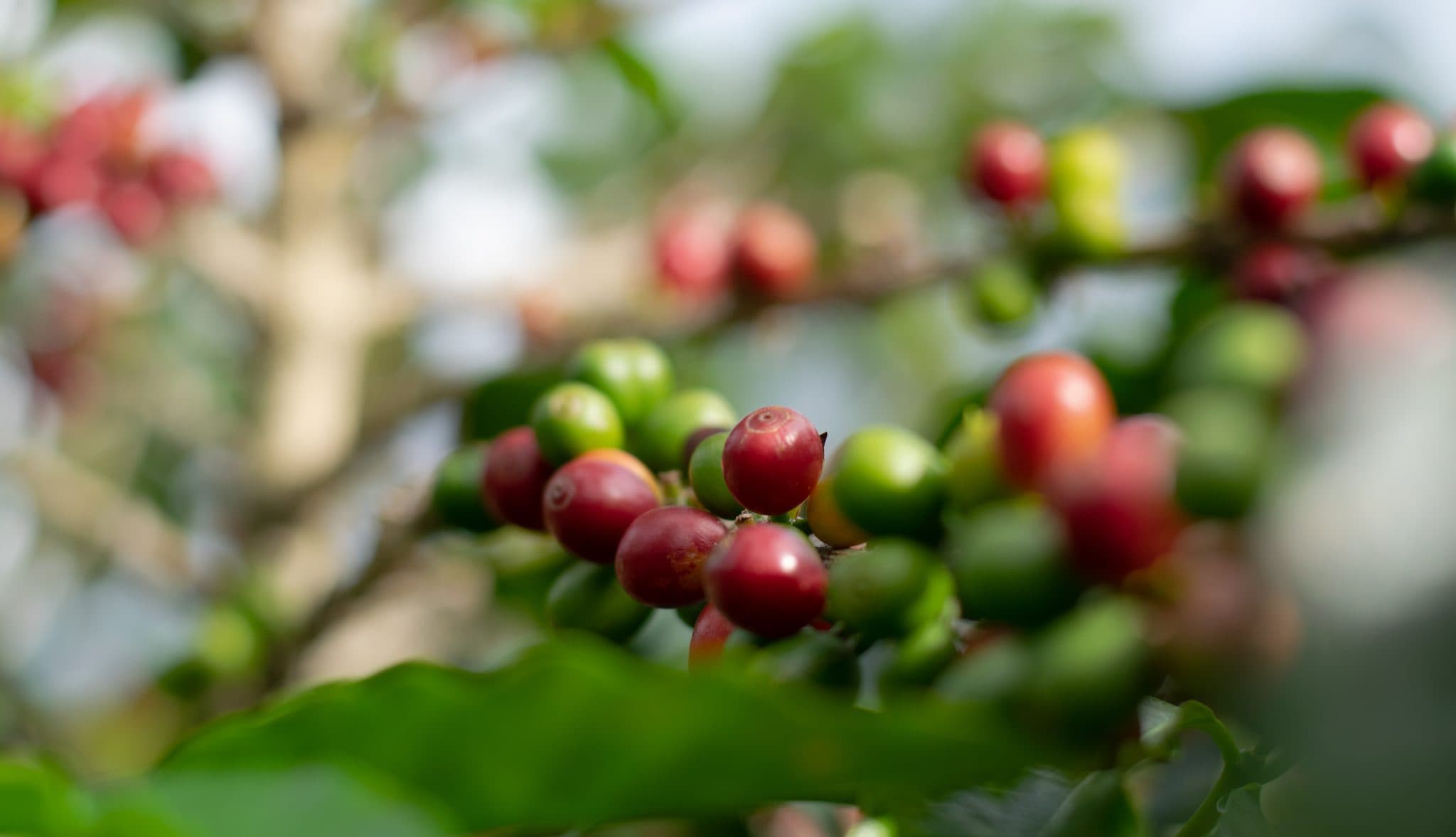
The vast majority of commercially produced coffee comes from two species: Arabica and Robusta. They taste different, grow in different conditions, and each has real strengths worth knowing before you buy. This guide breaks down how they compare so you can choose beans with more confidence.
Quick Definitions
Arabica (Coffea arabica) is the most widely grown coffee species and the one most associated with specialty coffee. It is prized for its range of flavors, brighter perceived acidity, and aromatic complexity.
Robusta is the common commercial name for coffee from Coffea canephora, the second-most widely grown coffee species. It is hardier, higher in caffeine, and known for a stronger, more direct flavor, and it is common in instant coffee and many espresso blends. The species holds a lot of genetic diversity and goes by regional names too, such as conilon in Brazil.
Neither species is simply "good" or "bad." They are different tools, and the right one depends on what you want in your cup.
Arabica vs Robusta at a Glance
| Feature | Arabica | Robusta |
|---|---|---|
| Species name | Coffea arabica | Coffea canephora |
| Typical flavor | Sweeter, fruity, floral, nuanced | Bolder, earthy, woody, sometimes nutty |
| Perceived acidity | Often brighter or more pronounced | Often lower or less prominent |
| Body | Lighter to medium | Fuller, heavier |
| Caffeine (green, dry weight) | Lower (roughly 0.9 to 1.5%) | Higher (roughly 1.2 to 2.4%) |
| Growing altitude | Higher (often 600 to 2,000m and up) | Lower (often below 800m) |
| Climate preference | Cooler, stable temperatures | Warmer, humid, lower-elevation environments |
| Pest and disease resistance | Many traditional varieties are relatively susceptible | Often higher, depending on variety |
| Yield potential | Often lower | Often higher |
| Typical price | Higher | Lower |
| Common uses | Single-origin, specialty, filter coffee | Instant coffee, espresso blends, canned coffee |
Figures above are general ranges and can vary by farm, variety, and processing.
Flavor Profile
The clearest difference between the two species is taste.
How Arabica Tends to Taste
- Sweeter and smoother overall
- Brighter perceived acidity that can resemble citrus, berry, or apple
- Aromas that range from floral to chocolate to caramel depending on origin and roast
- More layered and complex, which is why it dominates specialty coffee
How Robusta Tends to Taste
- Stronger and more direct
- Lower acidity with a heavier body
- Earthy, woody, or grain-like notes, and sometimes a nutty or dark chocolate character
- A pronounced bitterness that some people enjoy, especially in espresso
A quick note on quality: much of the robusta on the market is grown for volume rather than flavor, which is where its harsher reputation comes from. Well-grown robusta can taste very different, a point we return to below.
Caffeine Content
Robusta generally contains substantially more caffeine than Arabica, often close to twice as much. Published values vary by cultivar and measurement method, but as a rough guide for green (unroasted) beans by dry weight:
- Arabica: around 0.9 to 1.5% caffeine
- Robusta: around 1.2 to 2.4% caffeine
That extra caffeine is not just about the buzz. Caffeine acts as a natural defense against some pests and may contribute to robusta's greater pest resistance. Its higher caffeine content also contributes to its more pronounced bitterness.
All else being equal, a robusta-heavy blend will usually contain more caffeine than an equivalent Arabica coffee. The amount in your cup still depends heavily on your dose, serving size, and brewing method.
Cultivation and Resilience
The two species thrive in very different conditions, and this shapes everything from price to availability.
Arabica
- Prefers higher altitudes and cooler, stable climates
- More sensitive to heat, drought, and temperature swings
- Many traditional Arabica varieties are relatively vulnerable to pests and diseases, including coffee leaf rust
- Lower yields, which raises the cost of production
Robusta
- Better adapted to warm, humid conditions than most Arabica varieties
- Often grown successfully at lower elevations
- Many varieties have strong resistance to important pests and diseases
- Still requires adequate rainfall and can be harmed by drought, excessive heat, and other environmental stresses
As some Arabica-growing regions become hotter, robusta may play a larger role in the coffee supply. That said, robusta faces climate risks of its own and is not immune to heat, drought, or changing rainfall patterns.
Production and Common Uses
Arabica accounts for a little over half of global production, with robusta making up most of the remainder. The exact balance shifts from one crop year and estimate to the next. Each species shows up in different products.
Where You Usually Find Arabica
- Single-origin and specialty coffees
- Pour-over, drip, and filter coffee where clarity of flavor matters
- Lighter roasts that highlight origin character
Where You Usually Find Robusta
- Instant and canned coffee
- Traditional Italian-style espresso blends, where it adds body and a thick crema
- Some commercial supermarket blends, where cost and consistency matter
Robusta's role in espresso is worth calling out. A small amount of robusta in a blend can boost crema, add weight to the cup, and stand up to milk in drinks like cappuccinos. This is a deliberate choice, not a shortcut.
The Rise of Fine Robusta
For a long time, robusta was treated as a commodity crop and rarely judged on flavor. That is changing.
A growing movement around fine robusta focuses on carefully grown, well-processed robusta evaluated using dedicated quality standards and sensory protocols designed for the species.
Why this matters:
- It challenges the old idea that robusta is automatically low quality
- It gives farmers in hot, low-altitude regions a path to higher-value coffee
- It expands the range of flavors available to curious drinkers
- It supports a more resilient coffee industry as the climate shifts
Fine robusta is still a small niche, but it is a useful reminder that species is only one factor in how good a coffee tastes. Growing conditions, processing, and roasting matter just as much.
Why the Difference Matters When You Choose Coffee
Knowing the species helps you predict what is in your cup and pick coffee that fits your taste and budget.
Use this quick guide:
- Want bright, complex, nuanced flavors? Arabica is a useful place to start, but pay closer attention to the tasting notes, roast level, origin, and processing method than to whether the coffee is a blend or single-origin.
- Want a bold, strong, full-bodied cup? Robusta or a robusta-forward blend may suit you.
- Want a thick, punchy espresso with lots of crema? A blend with some robusta can deliver that.
- Watching your caffeine intake? Favor Arabica.
- On a tighter budget? Commercial robusta coffees and robusta-containing blends are often less expensive, though high-quality robusta and premium blends can cost more.
- Curious to explore? Try a fine robusta to see how different a quality version can taste.
If you want help finding beans that match your preferences, a coffee discovery tool like Beanie can point you toward roasters and origins based on the flavors you enjoy.
Common Mistakes to Avoid
- Assuming Arabica is always better. Poorly grown Arabica can taste flat, while quality robusta can taste great.
- Assuming robusta is always low quality. Species alone does not determine quality. Genetics, growing conditions, harvesting, processing, storage, and roasting all shape the result.
- Thinking more caffeine means better coffee. Caffeine level says nothing about flavor.
- Judging a whole blend by one bean. Many excellent espresso blends include robusta on purpose.
- Ignoring roast and freshness. These often matter more day to day than the species alone.
Frequently Asked Questions
Is Arabica better than Robusta?
Not automatically. Arabica usually offers more complex, sweeter flavors, which is why it dominates specialty coffee. Robusta offers strength, body, and higher caffeine, and quality robusta can be excellent. The better choice depends on your taste.
Which has more caffeine, Arabica or Robusta?
Robusta has more, roughly twice as much as Arabica. This also contributes to robusta's more bitter taste.
Why is Robusta used in espresso blends?
Robusta adds body, a stronger flavor, and a thicker crema. It also holds up well against milk, which makes it useful in milk-based espresso drinks.
Is Robusta cheaper than Arabica?
Usually yes. Robusta often has higher yield potential and lower production costs, which is one reason commodity robusta is usually less expensive than Arabica. Market prices also depend on supply, location, quality, labor, processing, and demand.
What is fine robusta?
Fine robusta is high-quality robusta grown and processed with care, then evaluated using dedicated Fine Robusta grading and sensory standards. It aims to show that robusta can be a quality coffee, not just a commodity crop.
Which one is healthier?
There is no simple evidence-based answer that makes one species healthier overall. Robusta generally contains more caffeine and chlorogenic acids, but the practical effect depends on the dose, roast, brewing method, and your individual caffeine sensitivity.
How can I tell which species I am drinking?
Check the label or the roaster's description. A label saying "100% Arabica" gives a clear answer, but many specialty coffees list the origin and variety without naming the species, since Arabica is often assumed. Blends may not disclose the exact Arabica-to-robusta proportion.
The Bottom Line
Arabica and robusta are two different species with different strengths. Arabica leans toward nuanced, sweeter flavor and lower caffeine, while robusta brings strength, body, and resilience. The old "Arabica good, robusta bad" shorthand misses the bigger picture: growing conditions, processing, and roasting shape quality just as much as the species on the bag. Knowing the difference simply helps you choose coffee that fits what you actually want to drink.